November 2026
One night, one fictional brand
One watch. Four ways to order it. Which one sells more?
We invented a watch brand, modelled its watch, and built four complete order flows around the same product. Not to show off 3D. To show that the way you let people configure is a choice, and that the choice can be tested.
The promise
More orders from your configurator, proven in an A/B test.
Audit the flow. Walk every step the way a buyer does, with evidence for each finding.
Redesign the weakest step. One change at a time, so you know what worked.
Test it against what you have. The test decides, not the designer.
Assumption, stated as one: which flow wins differs per product and per buyer. That is why this page shows four candidates and no predicted uplift.
Try them on your phone
Same watch, same options, four flows
Each one is a bet about how people decide. Open them, build a watch, and notice where you hesitate.
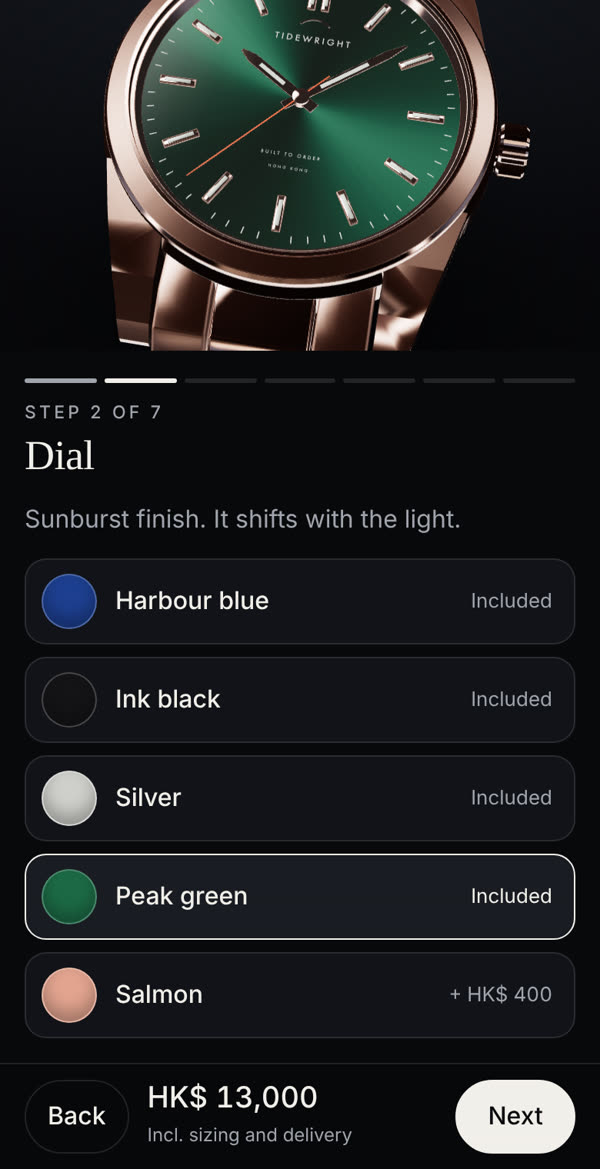 Flow A
Step by step
- The bet:
- one decision at a time keeps people moving.
- The risk:
- seven screens before you see the total add up.
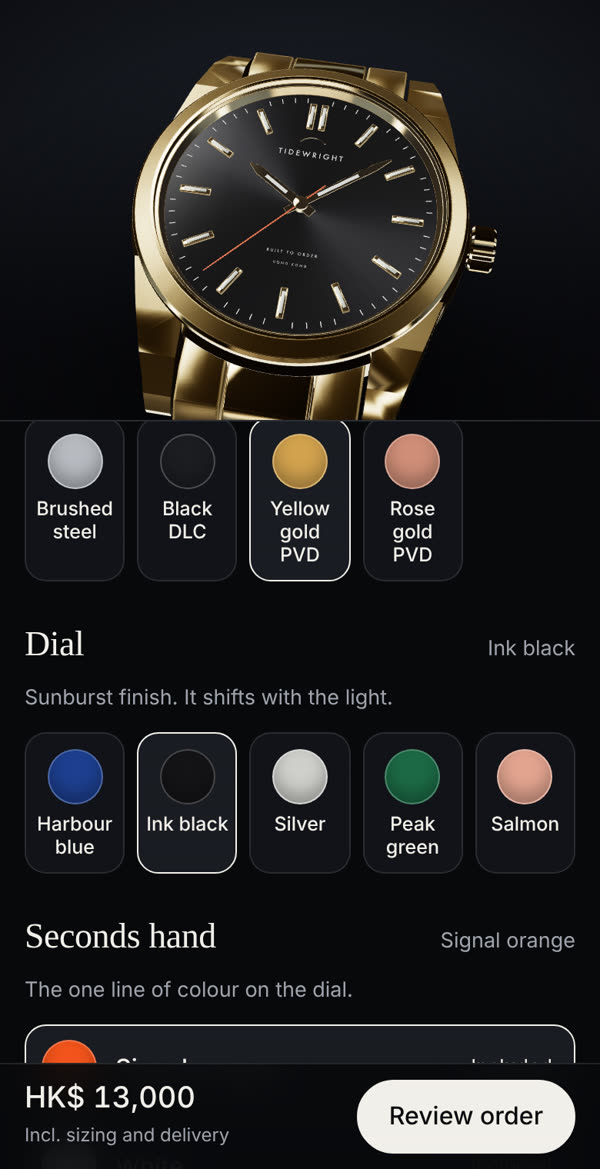 Flow B
One page
- The bet:
- seeing everything at once builds confidence and speed.
- The risk:
- a long page hides the one choice that is required.
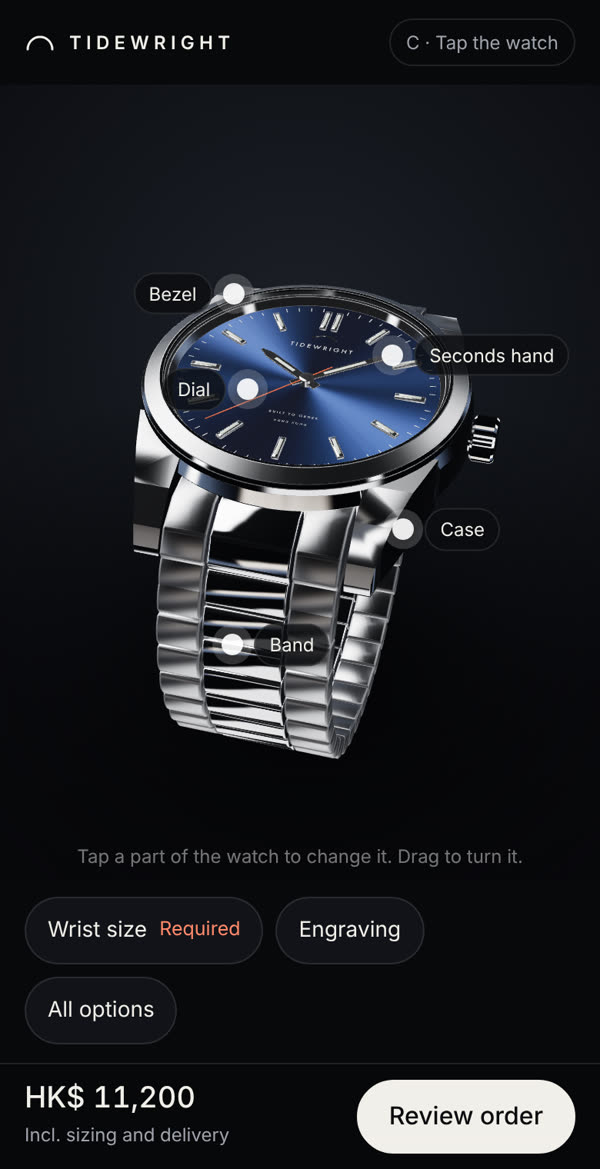 Flow C
Tap the watch
- The bet:
- the product is the menu. Touch what you want to change.
- The risk:
- options you cannot see on the watch are easy to miss.
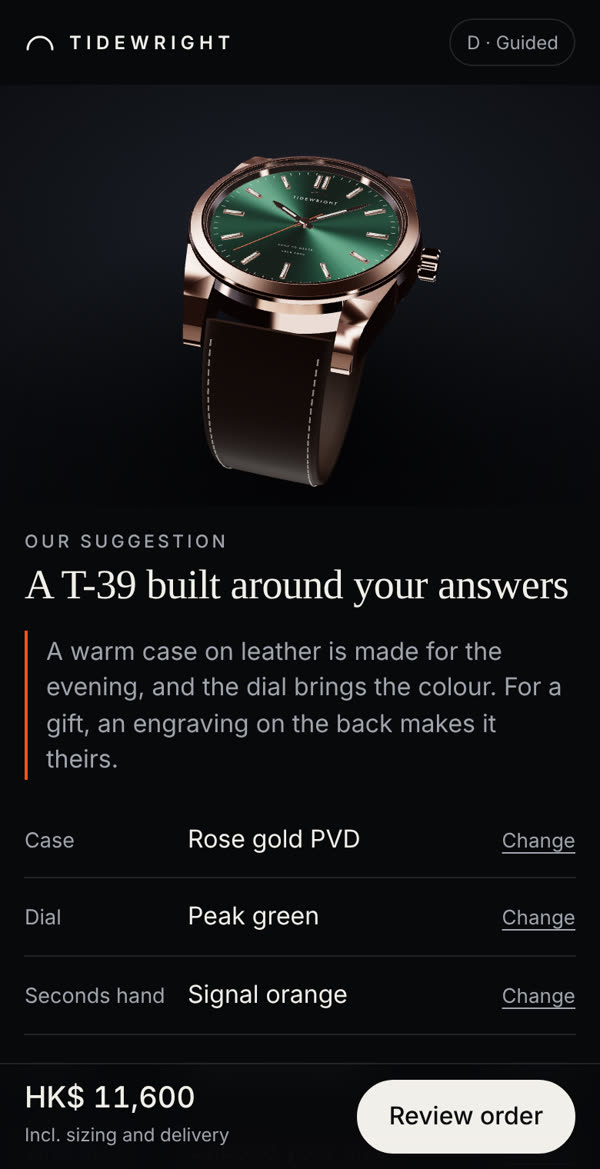 Flow D
Guided
- The bet:
- most buyers want a good suggestion, not twenty decisions.
- The risk:
- a wrong suggestion costs more trust than no suggestion.
An agent walked all four
What the audit found
Two scripted buyers, the key screens photographed, every tap counted. These numbers describe the interface, not people. They are the reason for a test, not a replacement for one.
Three flows noticed a missing wrist size only at the very end
The repair took 3 to 4 extra taps, against 1 in flow A. Found, partly fixed, re-run.
In flow A the error message was off screen
The flow stopped correctly, but the buyer saw nothing happen. Found on a screenshot, fixed, re-run.
A second agent found what the first one missed
It opened the one panel the audit never opened, and the page froze. Fixed, and now part of the test.
First test we would run: B against A
The classic wizard against the single page, 14 taps against 8. A hypothesis, with no predicted uplift.
The product
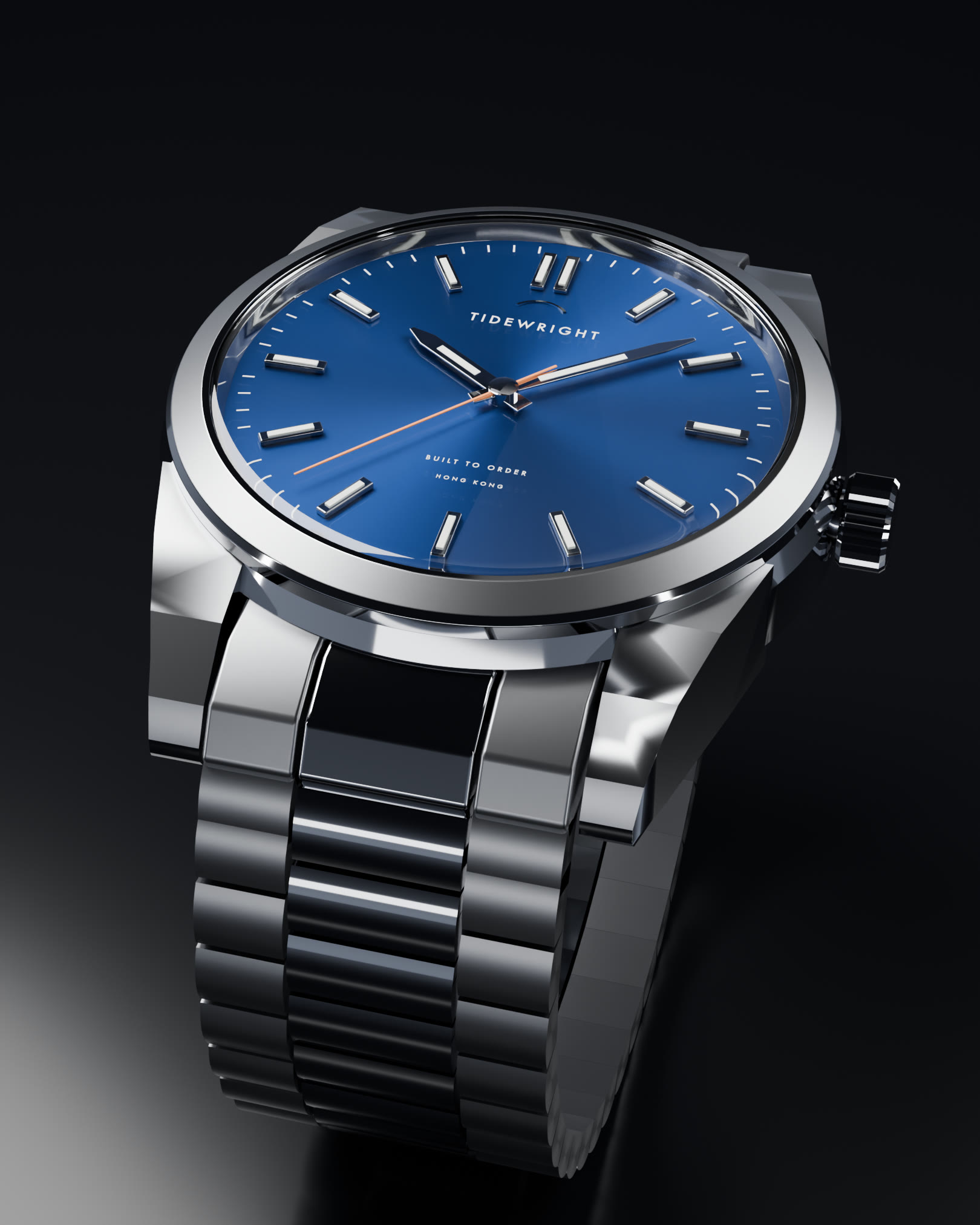
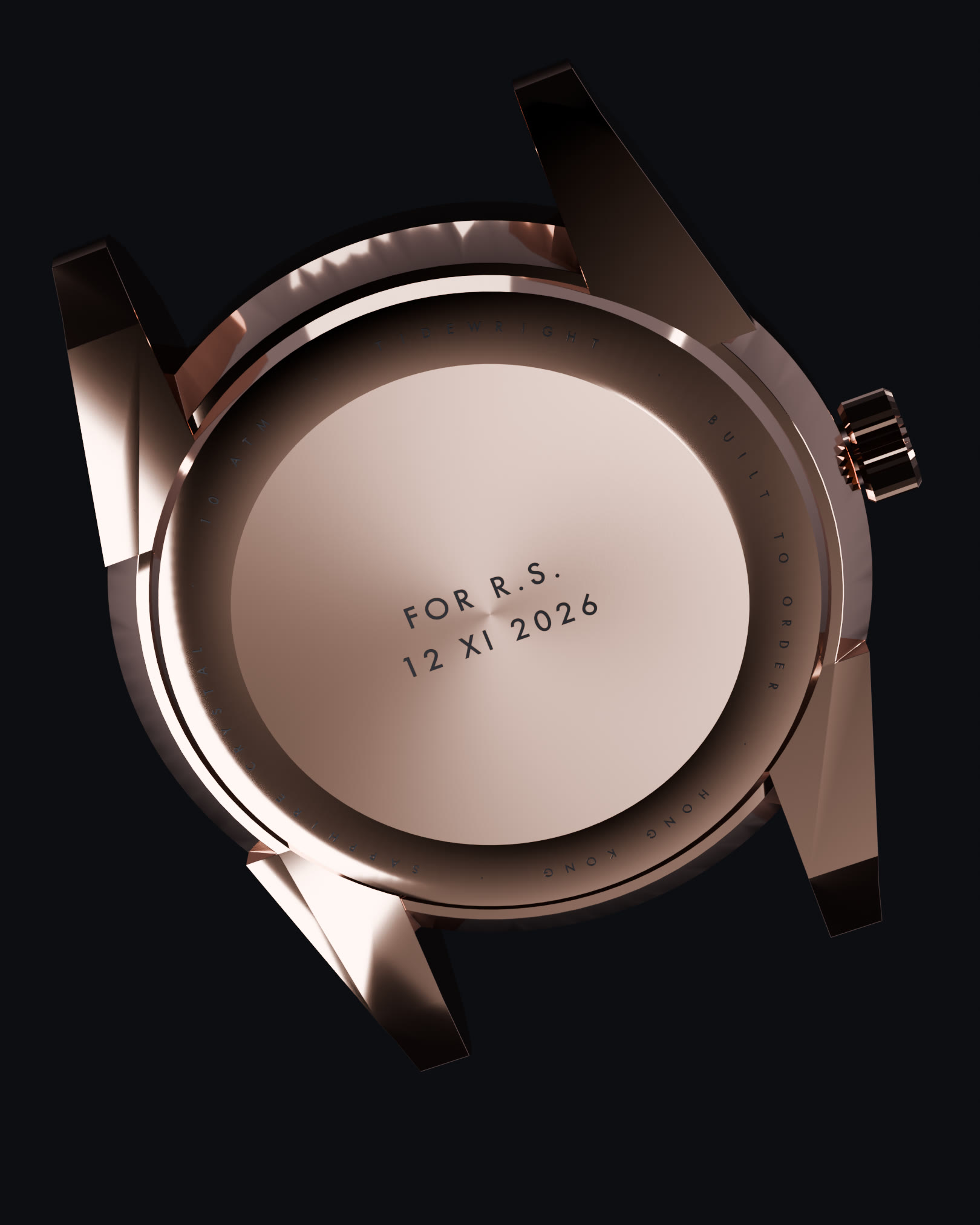
Tidewright T-39
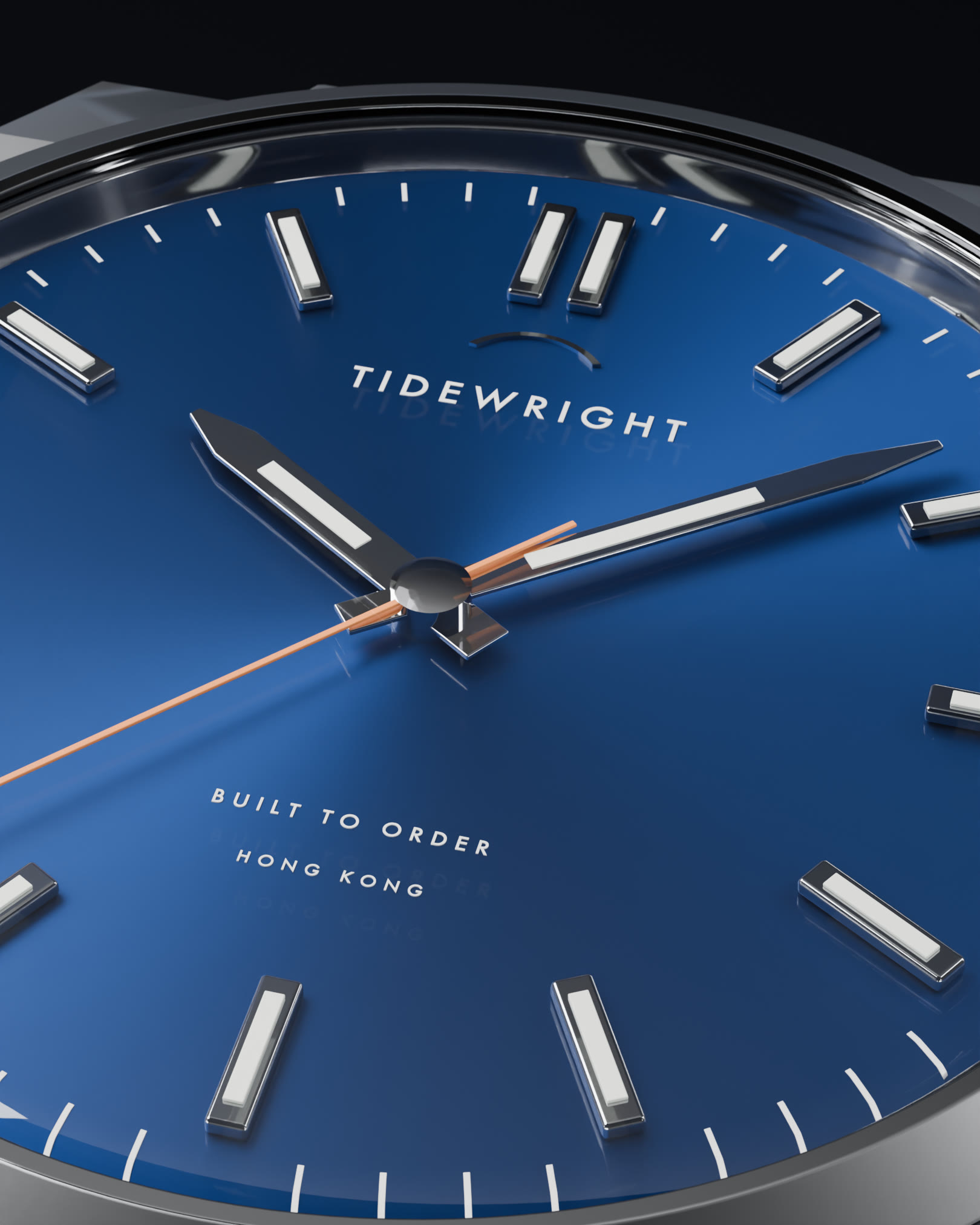
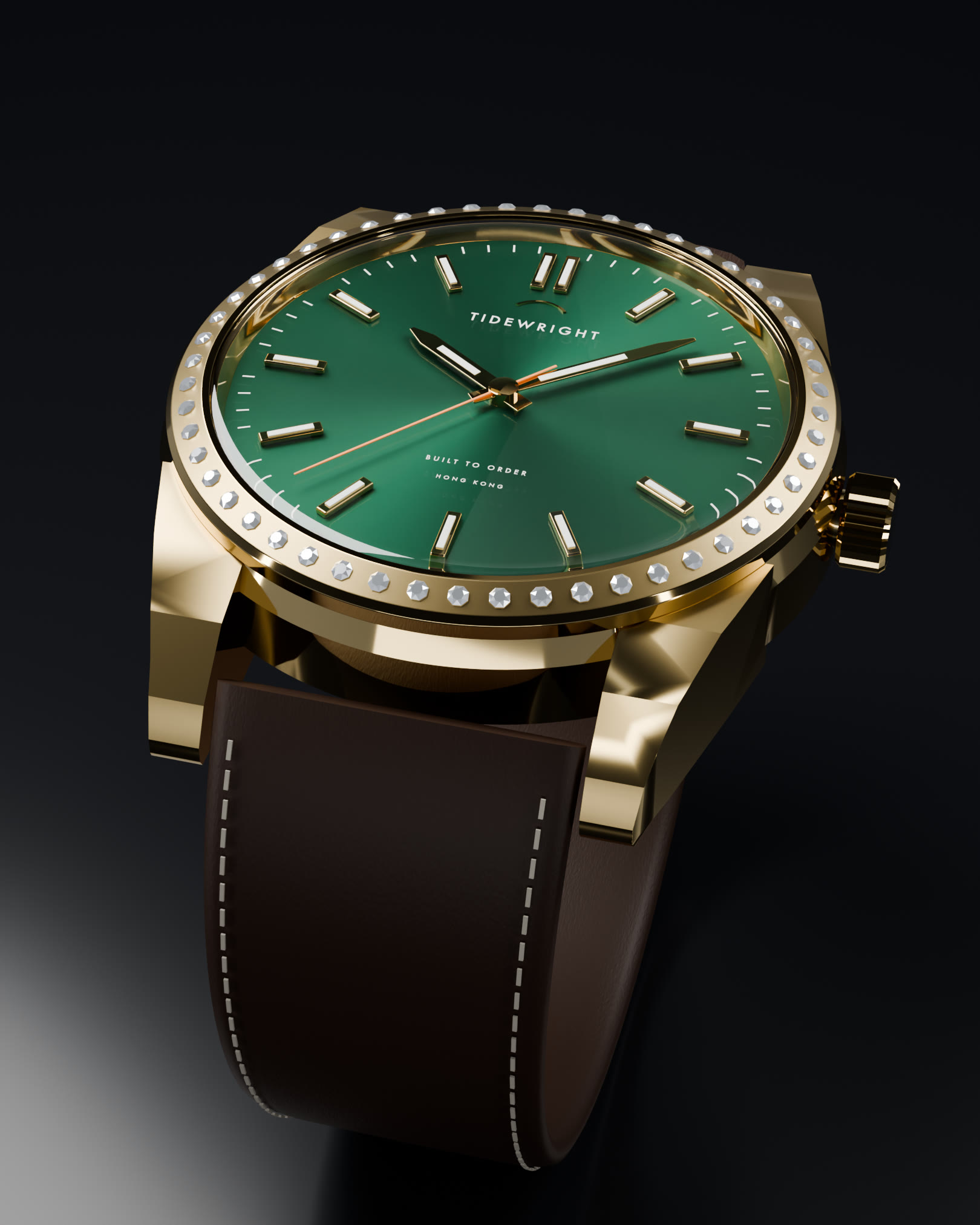
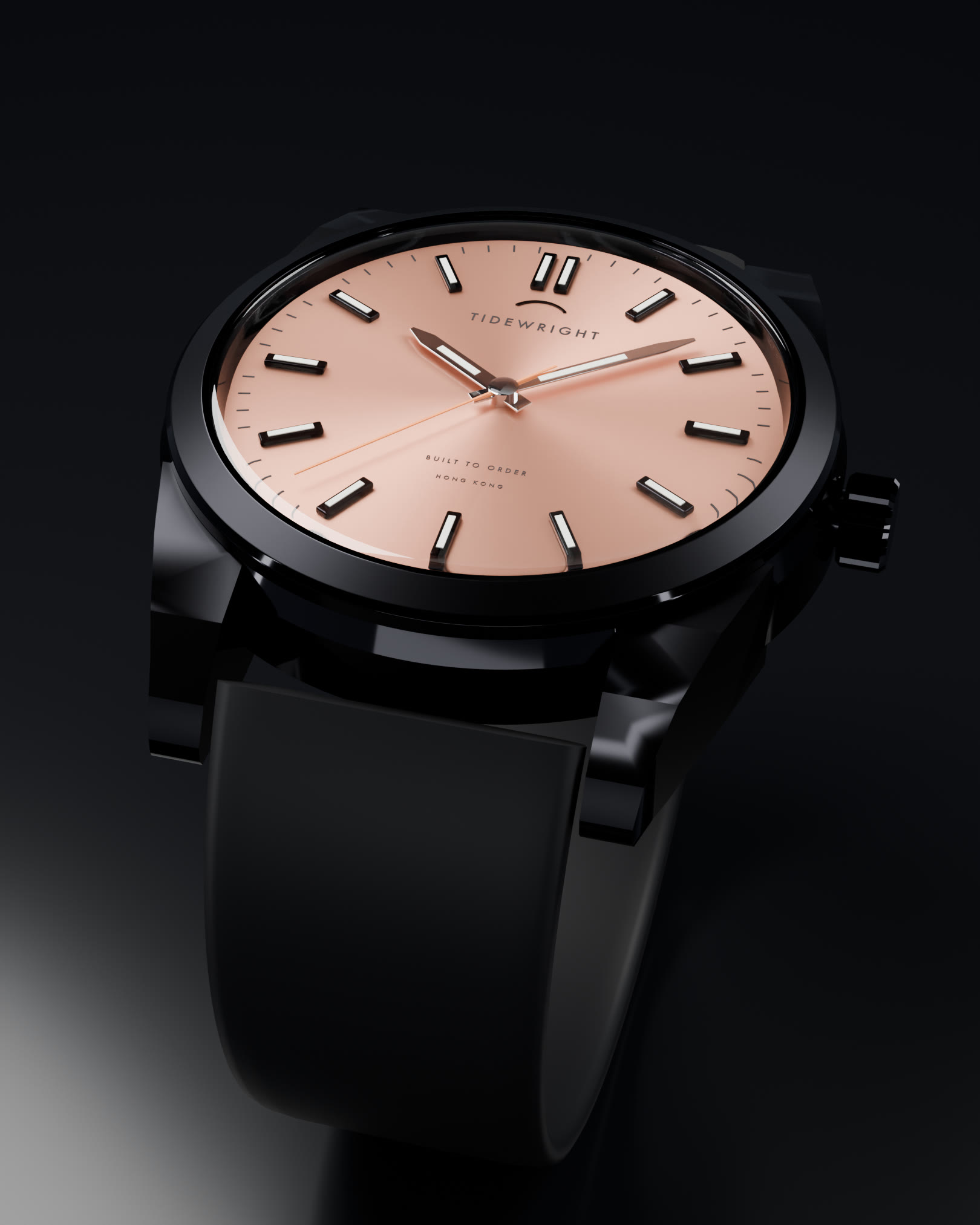
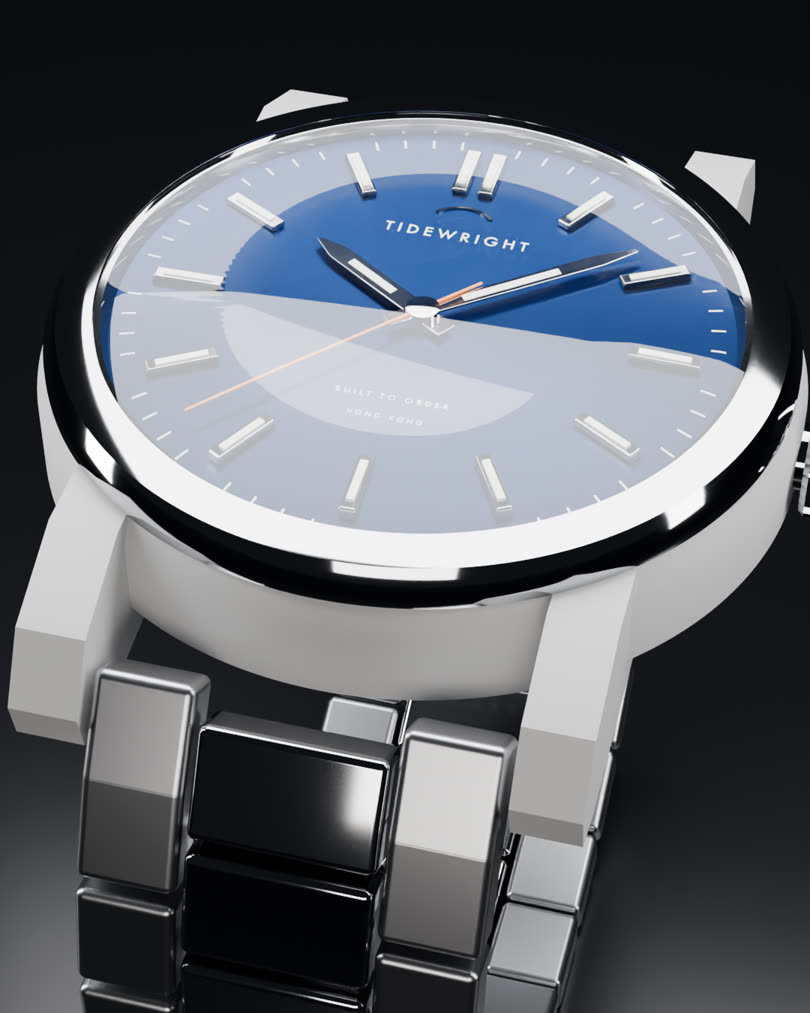
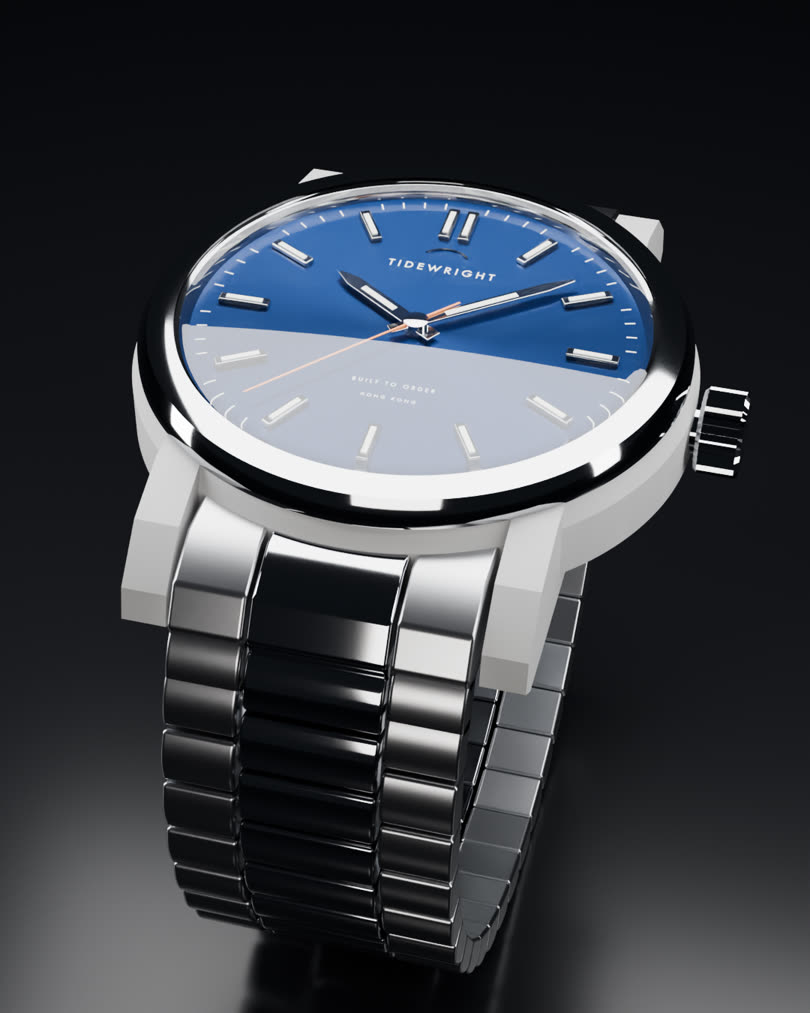
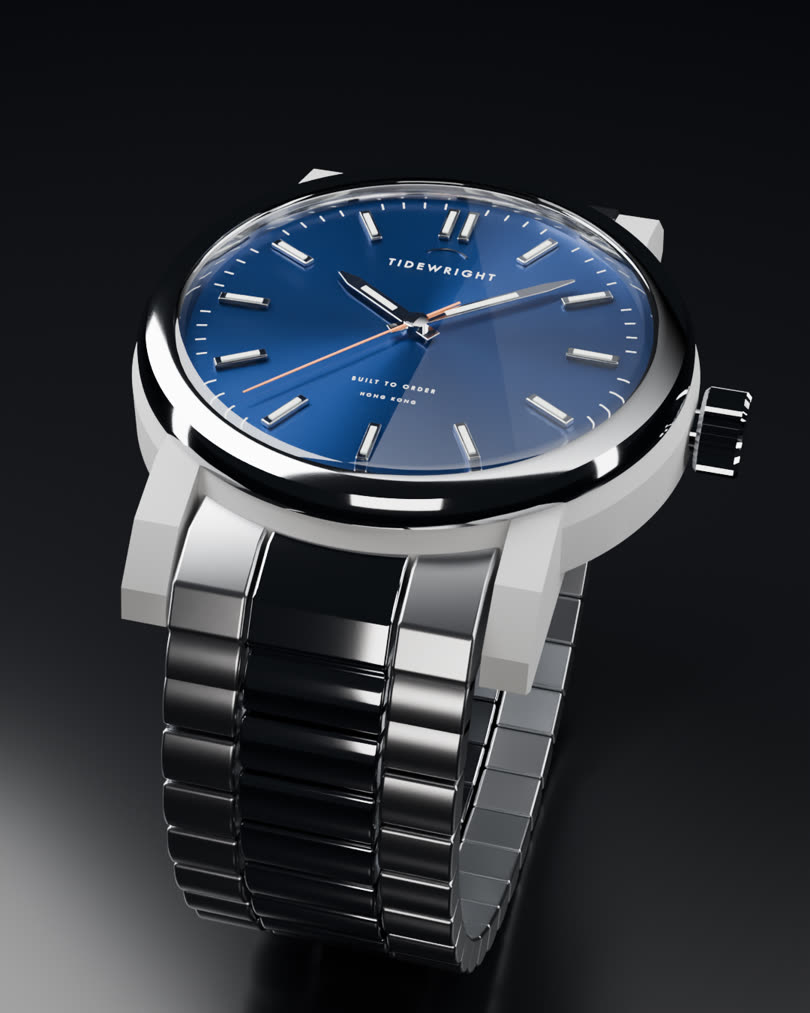
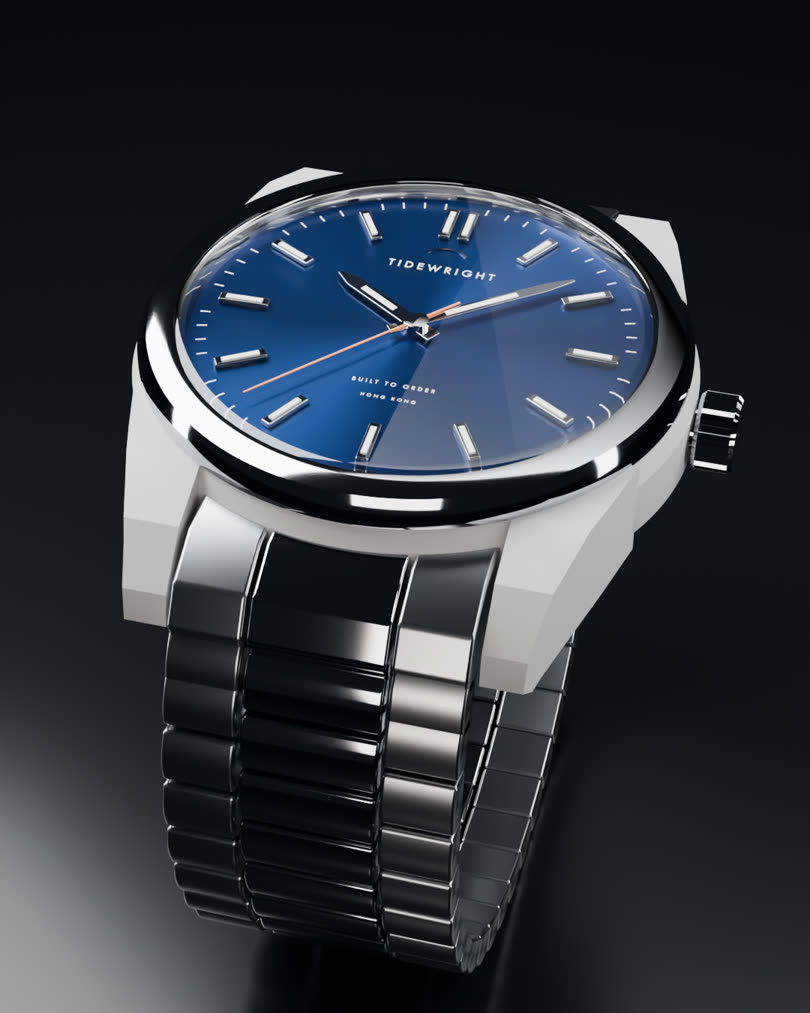
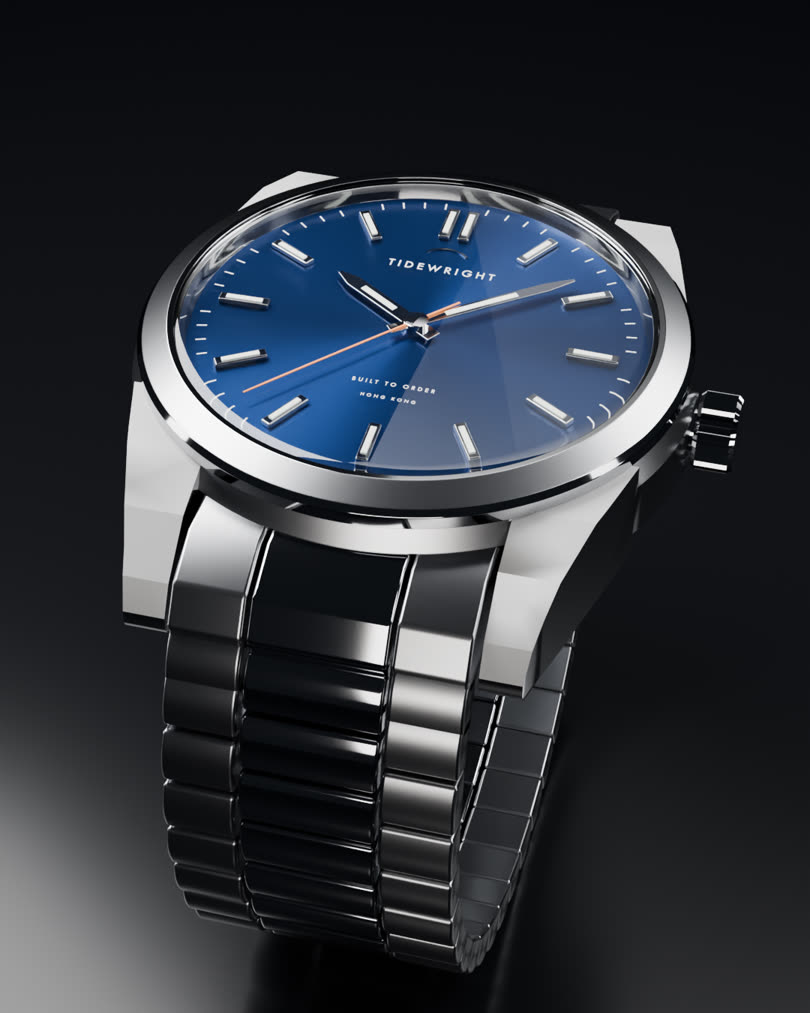
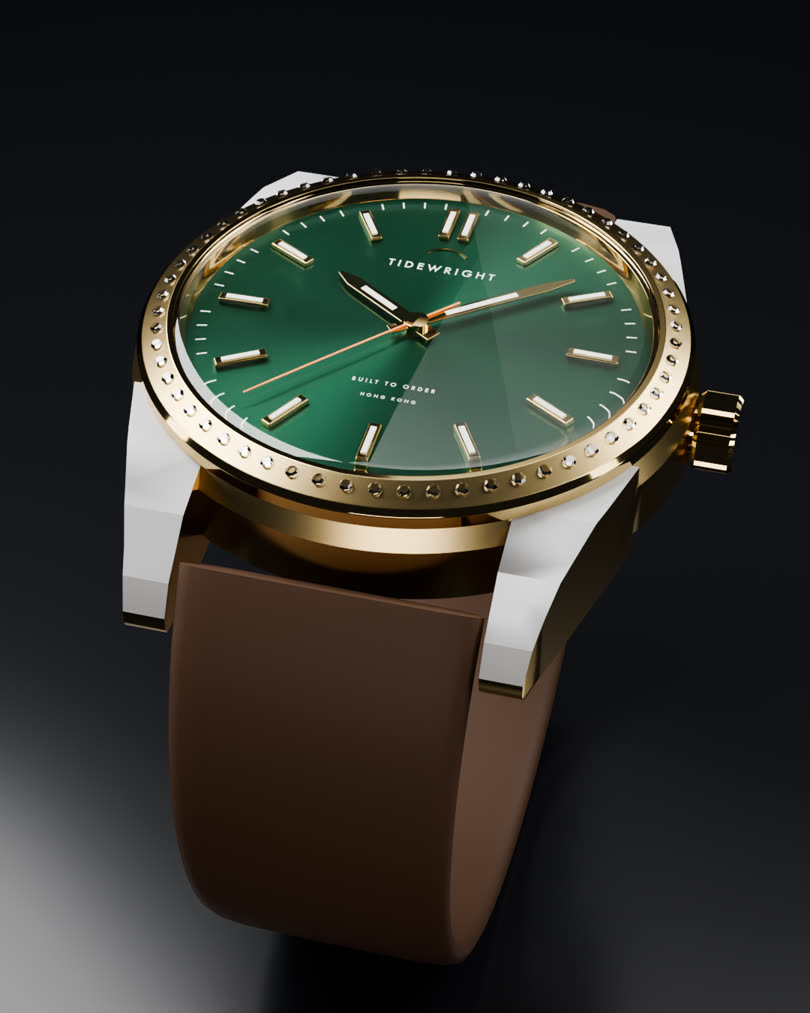
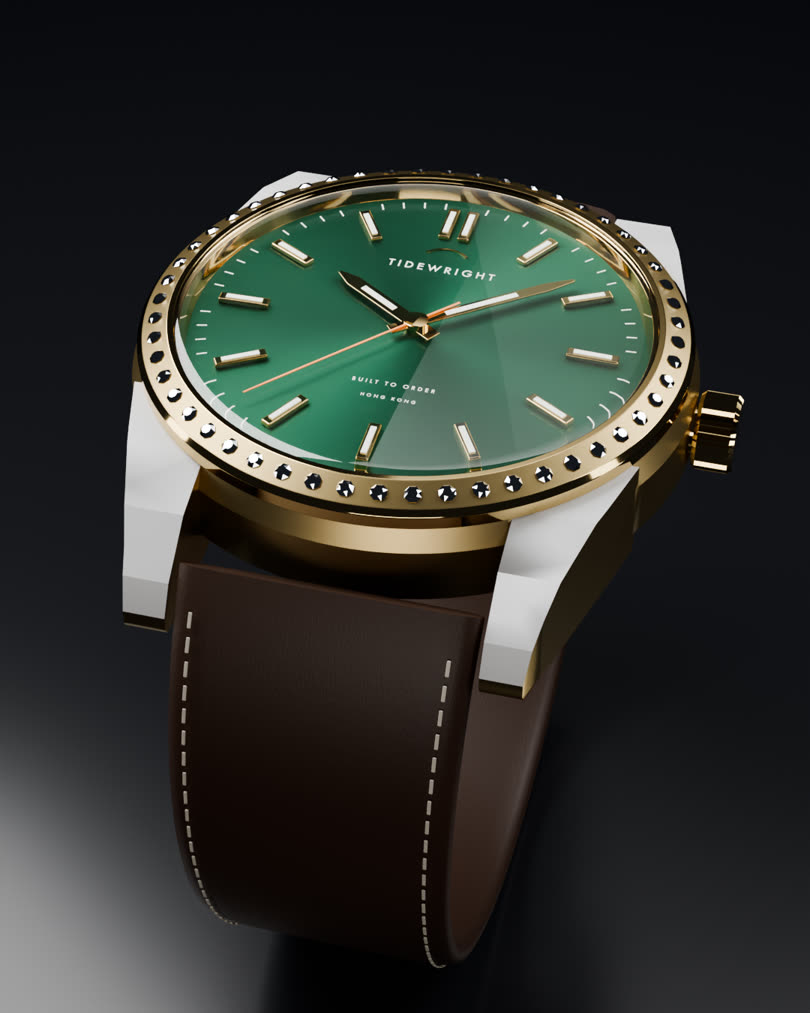
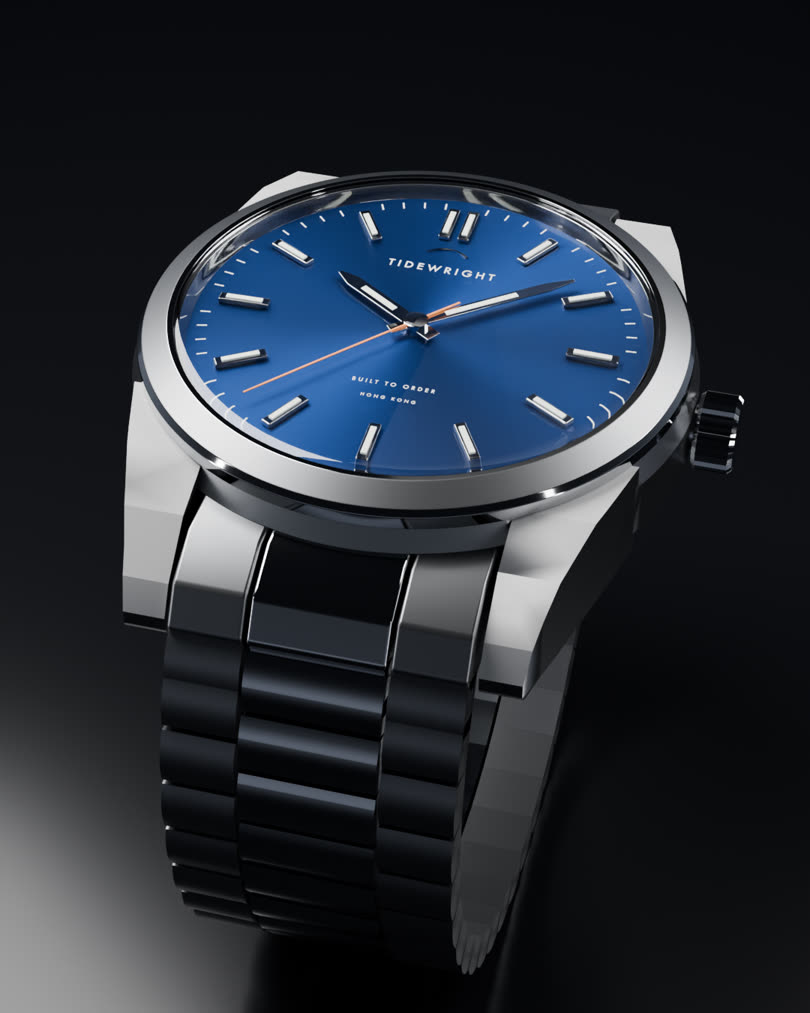
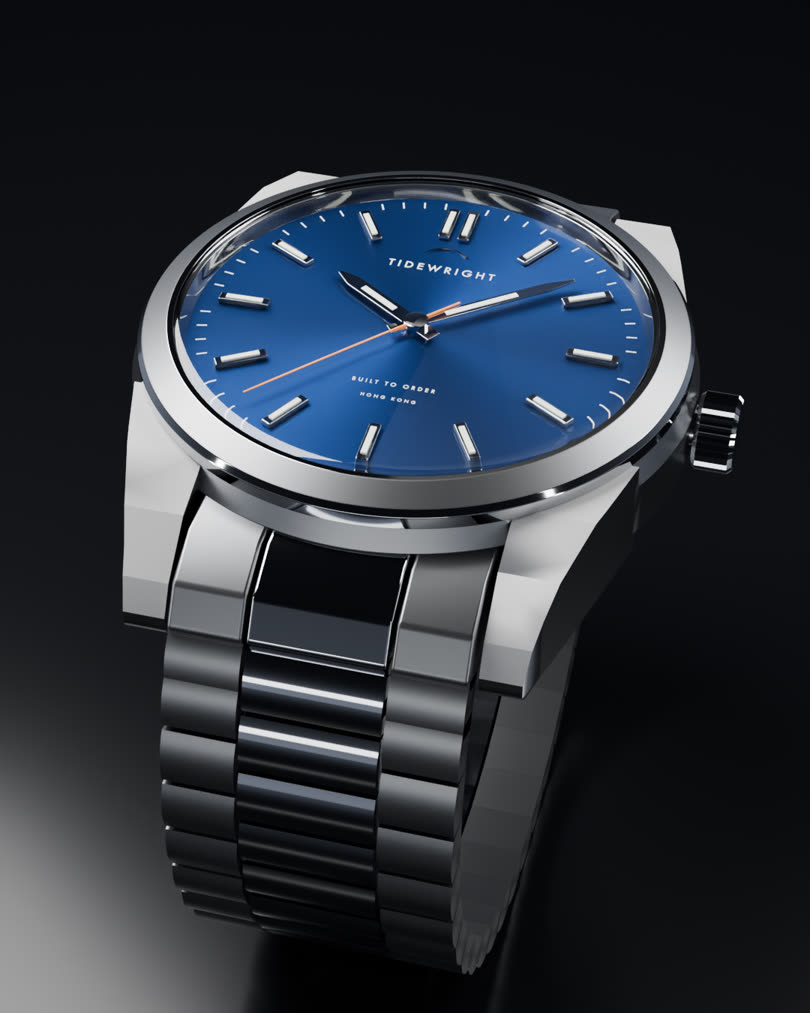
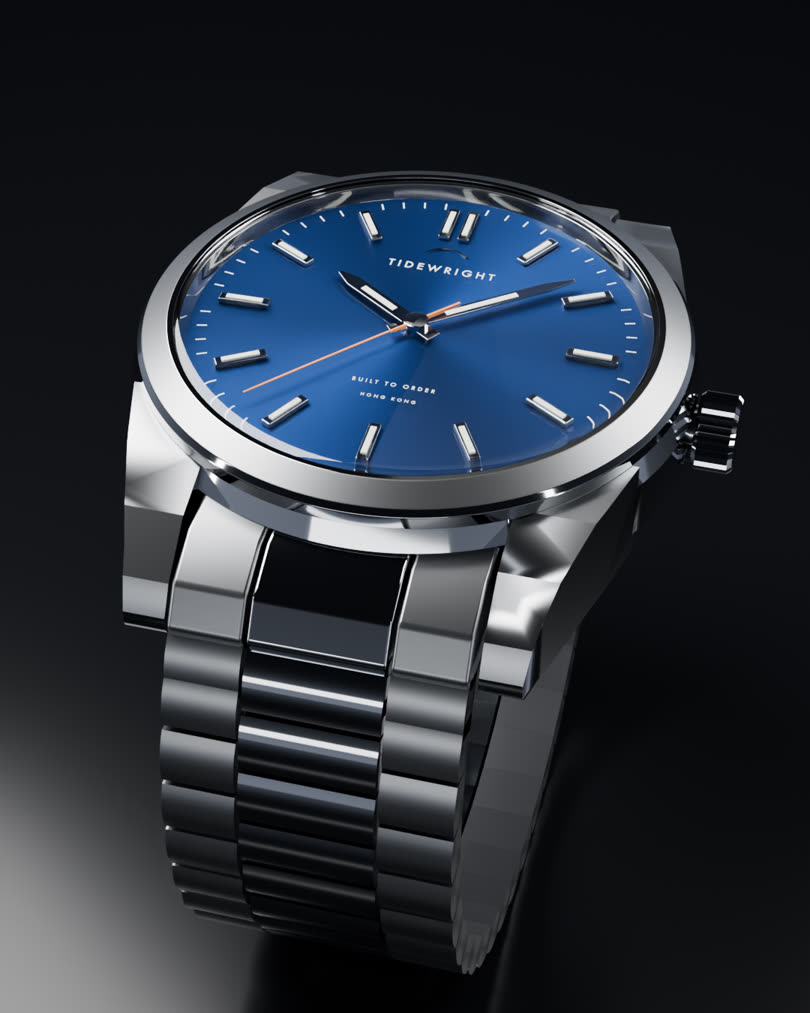
A fictional build-to-order watch from Hong Kong. Own design, own name, modelled from nothing in ten rounds. The stills are rendered in Blender, the 3D above is the same model in your browser.
A second model, stills only
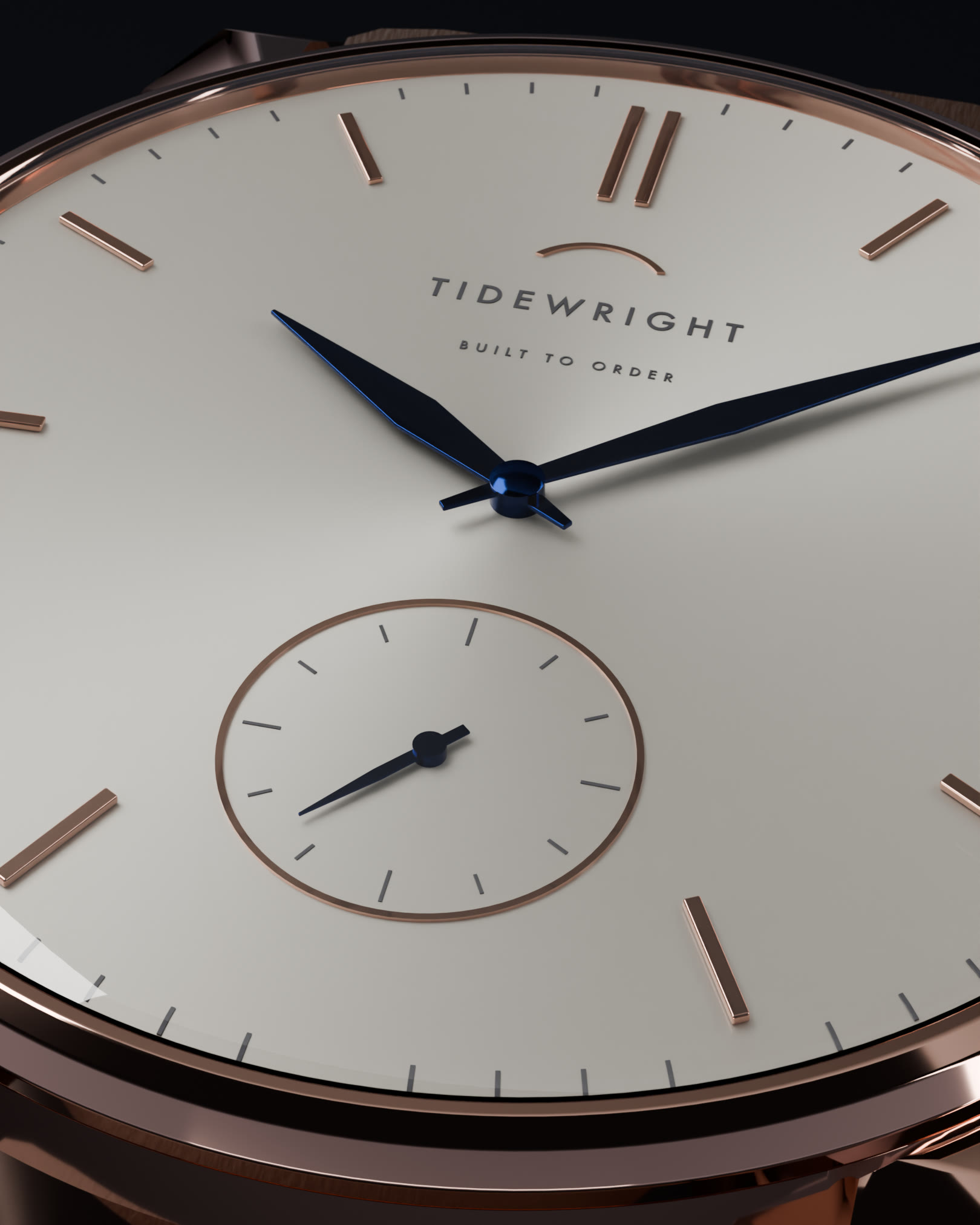
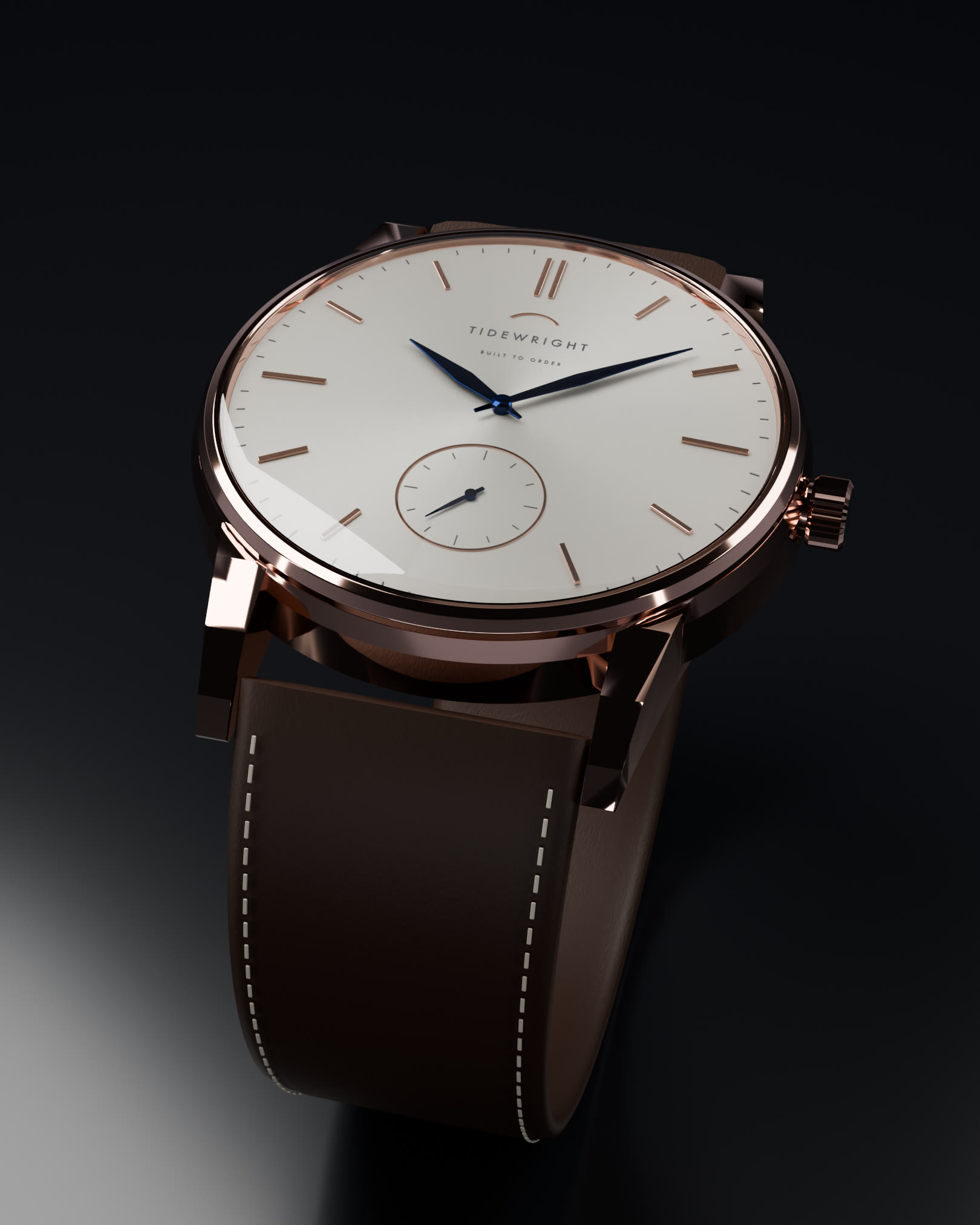
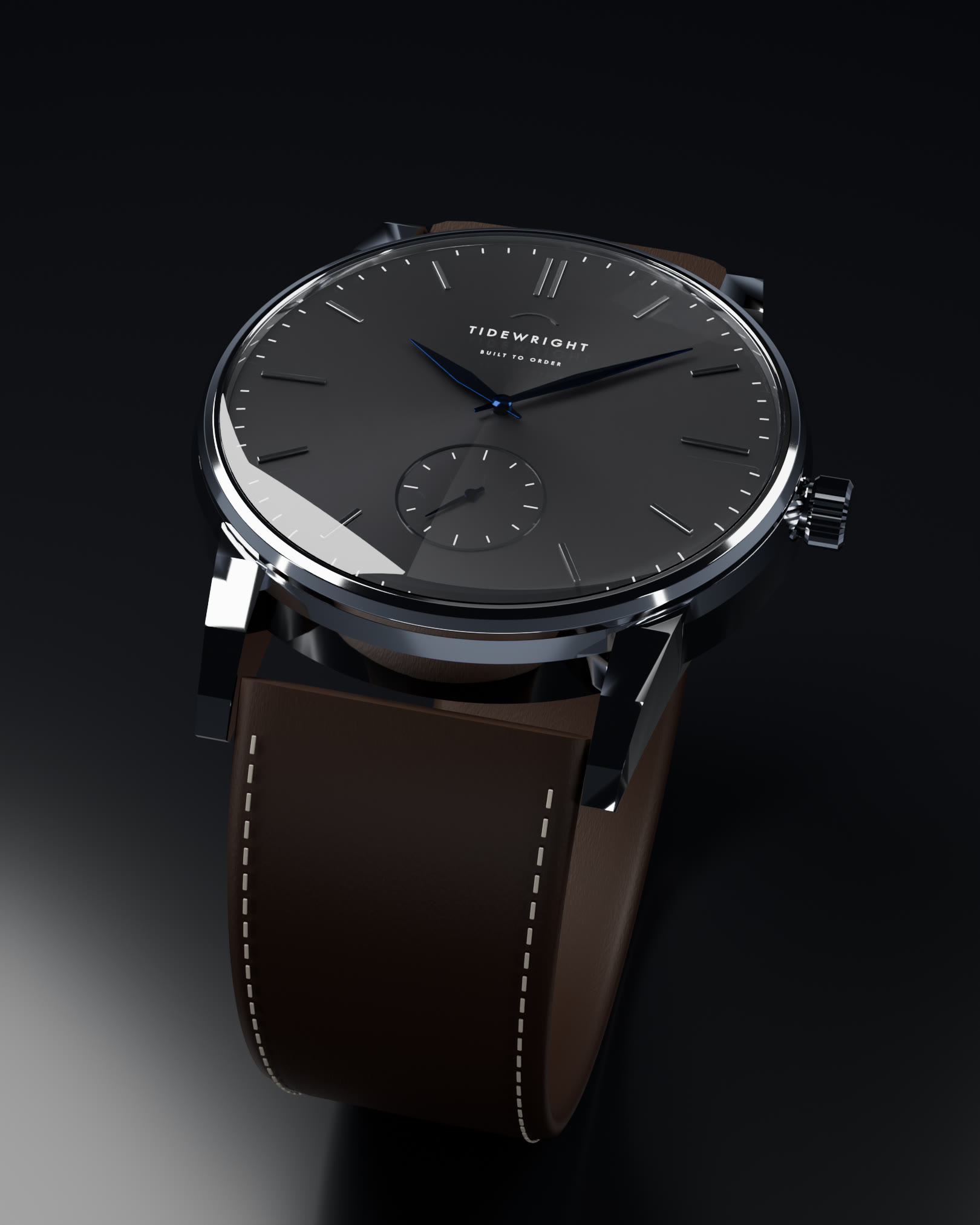
Tidewright T-36
A dress watch from the same build script, changed in 40 places: slimmer case, leaf hands in blued steel, small seconds. It is not in the configurator on purpose. A new option group would change every number in the audit, so it stays a picture until the flows are tested.
Making of
The night, start to finish
From an empty scene at 22:29 to an audited set of order flows at 23:34. No sound needed.
The process cut for social, 45 seconds
Not the watch, the work: the brief, Blender by script, live 3D, four flows, the audit agent, the Figma library, twenty banners and the log. Vertical, with a 4:5 version for feeds.
The full making-of, 76 seconds
The walkthrough, 2 minutes 19
All four flows played start to finish, then the audit and the first test.
The teaser, 30 seconds
How it got there
Ten rounds, nothing hidden
Build, render, look, criticise, improve. Every round was saved, including the ones that went wrong.
From live code to Figma
The design system, ported in one pass
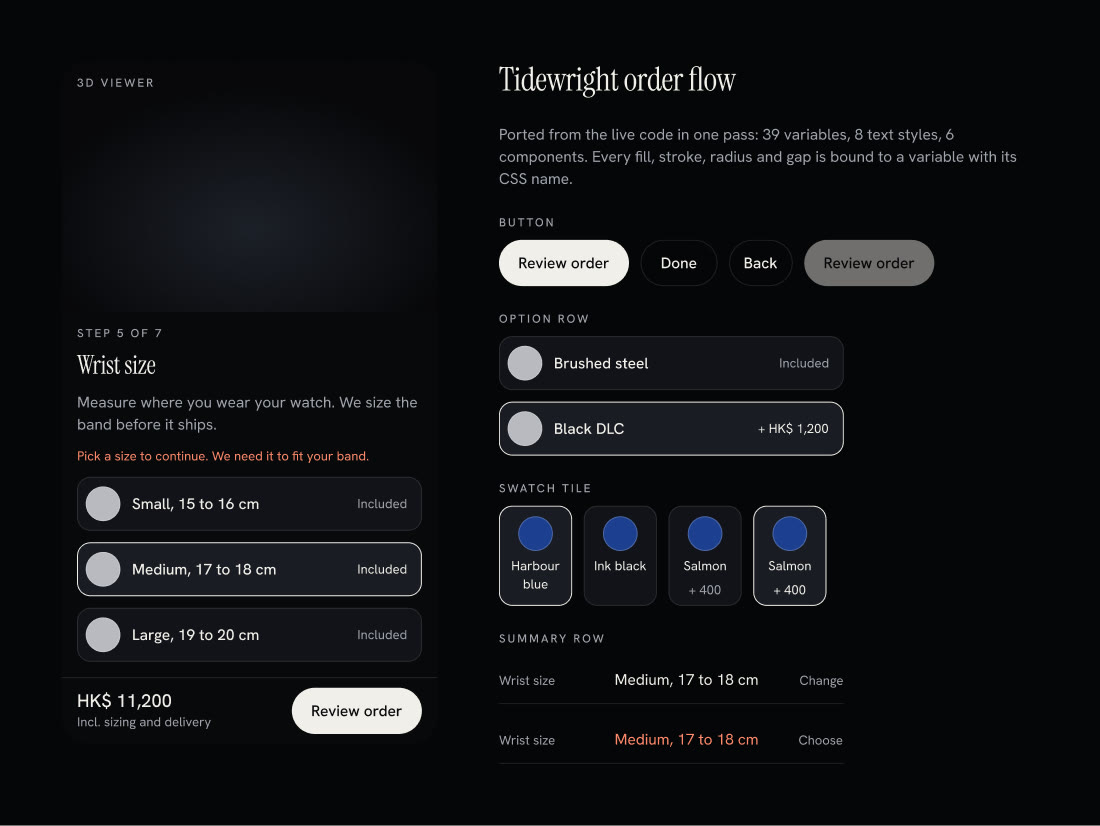
The order flows were built in code first. Then their tokens and core components were ported into a Figma library: 39 variables with their CSS names, 8 text styles, 6 components with variants. Every fill, stroke, radius and gap is bound to a variable.
The gaps, stated plainly
Not ported yet: bottom sheet, hotspots, question card, engraving field, chips and header. Swatch colour is an override, not a property. One colour mode only. The Figma file is private and shared on request.
Brand assets in bulk
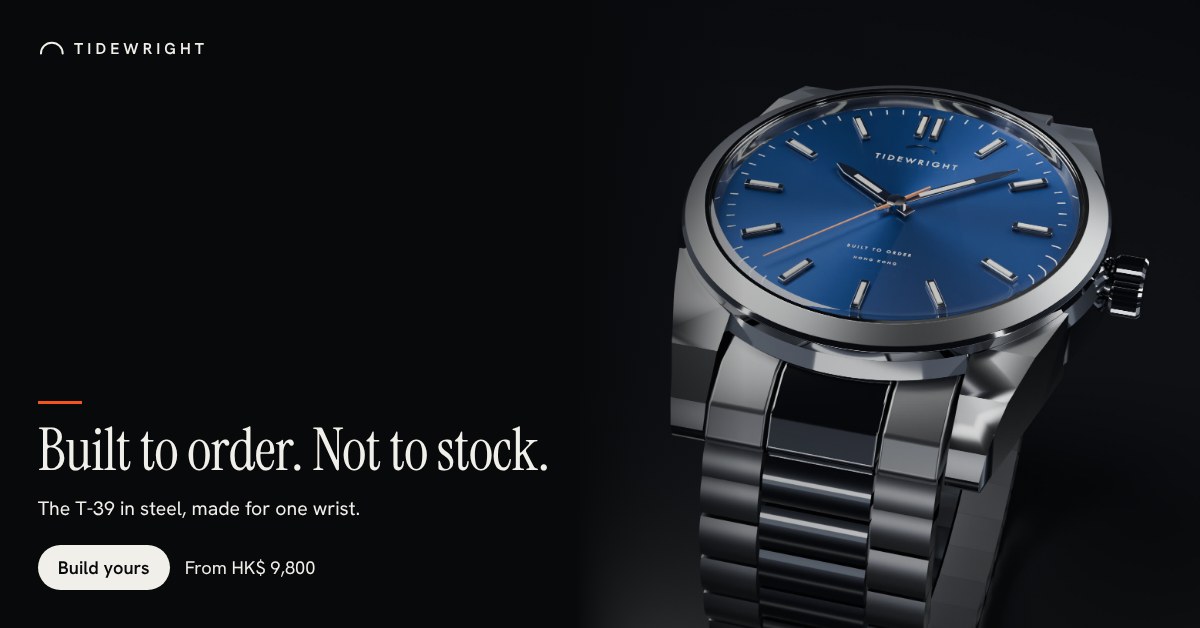
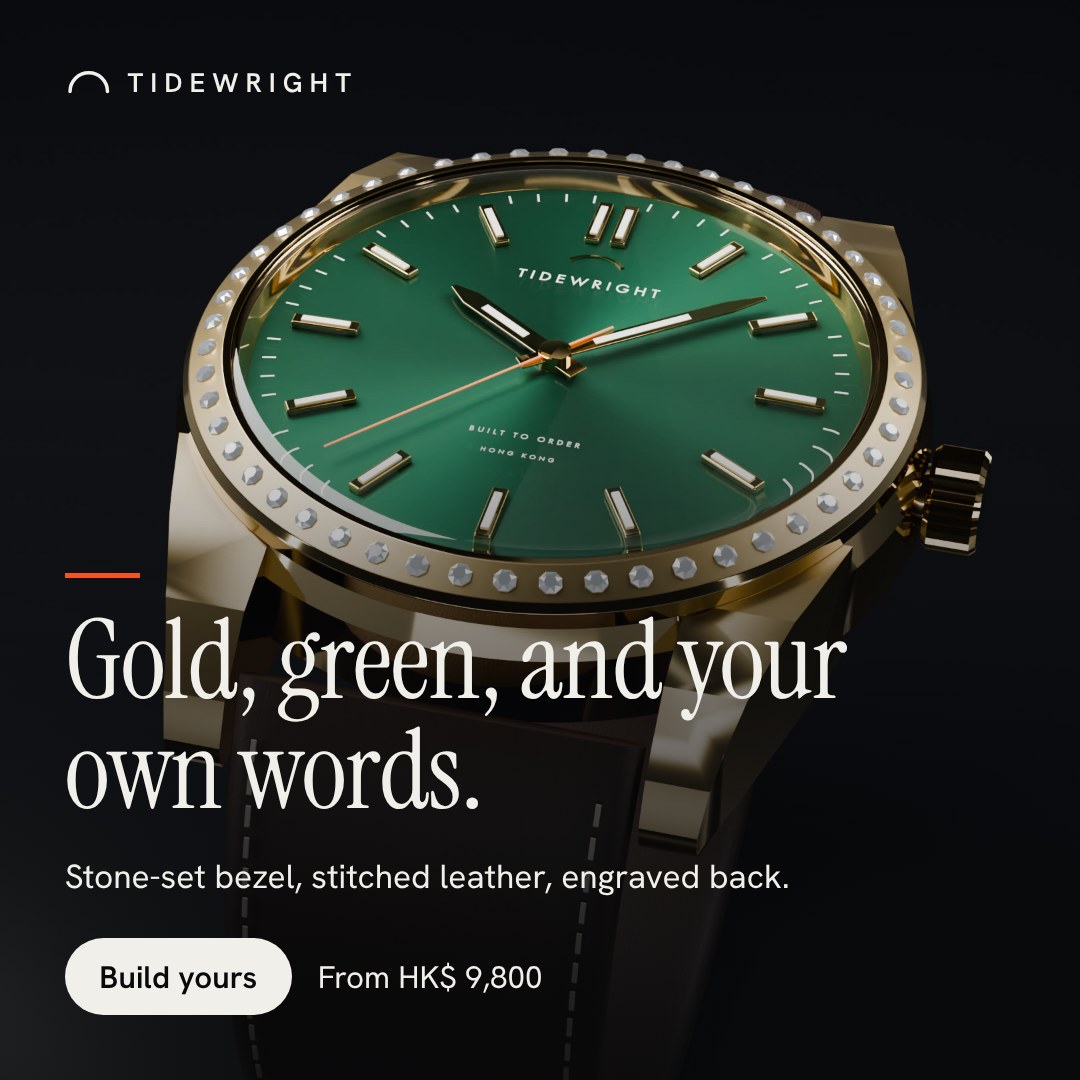
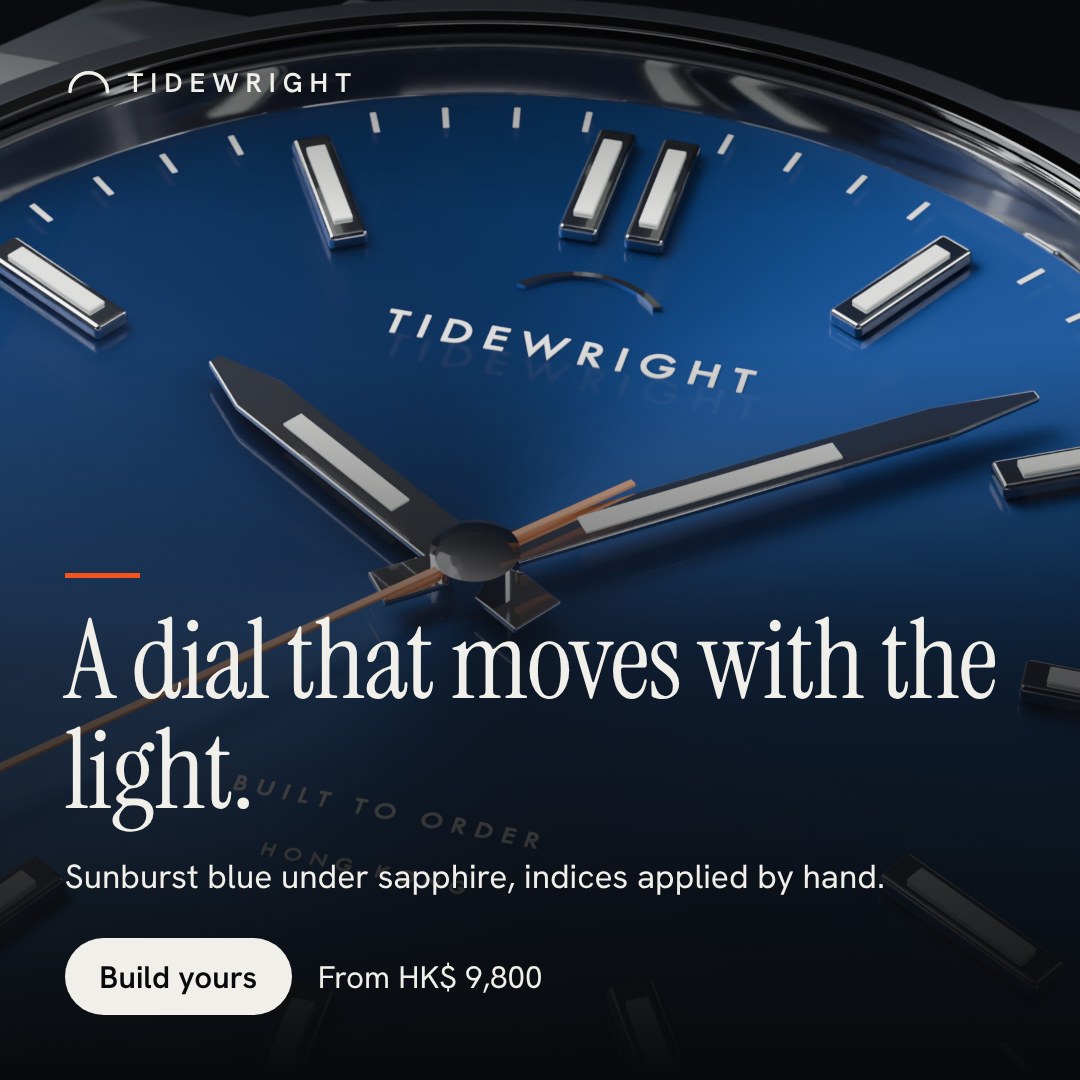
Twenty banners from one template, checked on the pixels
Four builds, five formats, nine brand rules. Contrast is measured on the rendered image, and what fails is corrected and rendered again.
Something to pass around
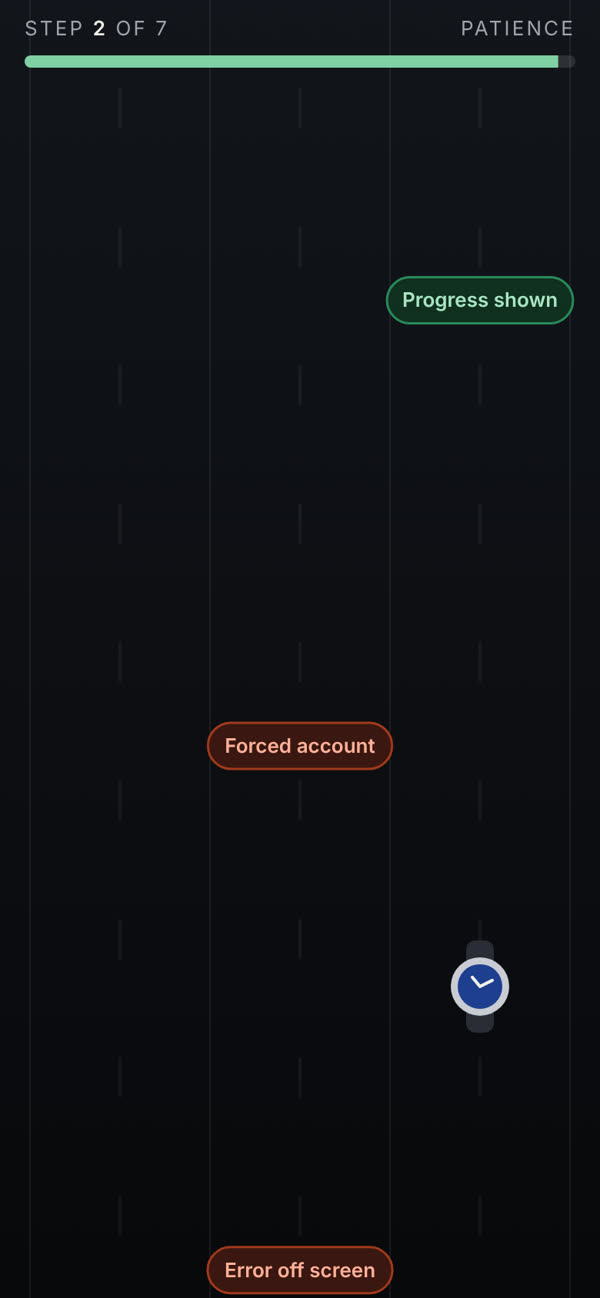
Drop-off, the game
 Under a minute
You are an order. Try to reach checkout.
- Seven steps, a patience bar, and every bad configurator pattern coming at you. It makes the point faster than a slide does.
Working title: Configurator Conversion
Three names to react to
Proposals only. None has been checked for trademarks or domains.
Buildrate
Names the number you improve: the share of started builds that become orders. Easy to say in a boardroom, hard to mistake for a 3D studio.
Stepwise
Names the method: every step of the configurator measured, one step improved at a time. Friendly, less ownable.
Order Bench
Names the place: a workbench where order flows are built and tested against each other. Fits made-to-order brands and craft.